Frequently Asked Questions
Below you’ll find answers to some of the most commonly asked questions from our clients and patients about PRP treatments.
Can I use ibuprofen after a PRP treatment?
Ibuprofen is an anti-inflammatory drug. Part of the effect of PRP is an inflammatory reaction, which should not be suppressed. Therefore, we ask patients to stop taking any form of anti-inflammatory medication two weeks before the treatment and to continue avoiding it until at least two weeks after the treatment.
Are the treatments reimbursed by health insurance funds?
Belgian health insurance funds only reimburse a small part of the consultation. The treatments themselves are not reimbursed. However, some private insurance companies may offer (partial) coverage. If specific documents need to be completed for your insurance, it is best to bring them with you on the day of the treatment.
Can I also come to you for traditional pain treatments?
You can also come to us for most traditional pain treatments. However, we try to minimize the use of cortisone and approach the problem from a broader perspective.
Do I need a referral letter from my general practitioner?
No. During the first conversation with the pain nurse, it will be assessed whether additional tests need to be carried out before the consultation with the doctor takes place. This helps save time.
When can I expect results after a PRP treatment?
This varies greatly and depends on the severity and extent of the problem. After PRP treatment, the body goes through several phases. During the first phase, a new inflammatory response occurs, which can last from a few days to a few weeks. After that, everyone progresses at their own pace. Generally, improvement is expected after 4–6 weeks, but sometimes not after the first treatment. This will be discussed with you in detail during the treatment and aftercare.
What if the treatment does not work?
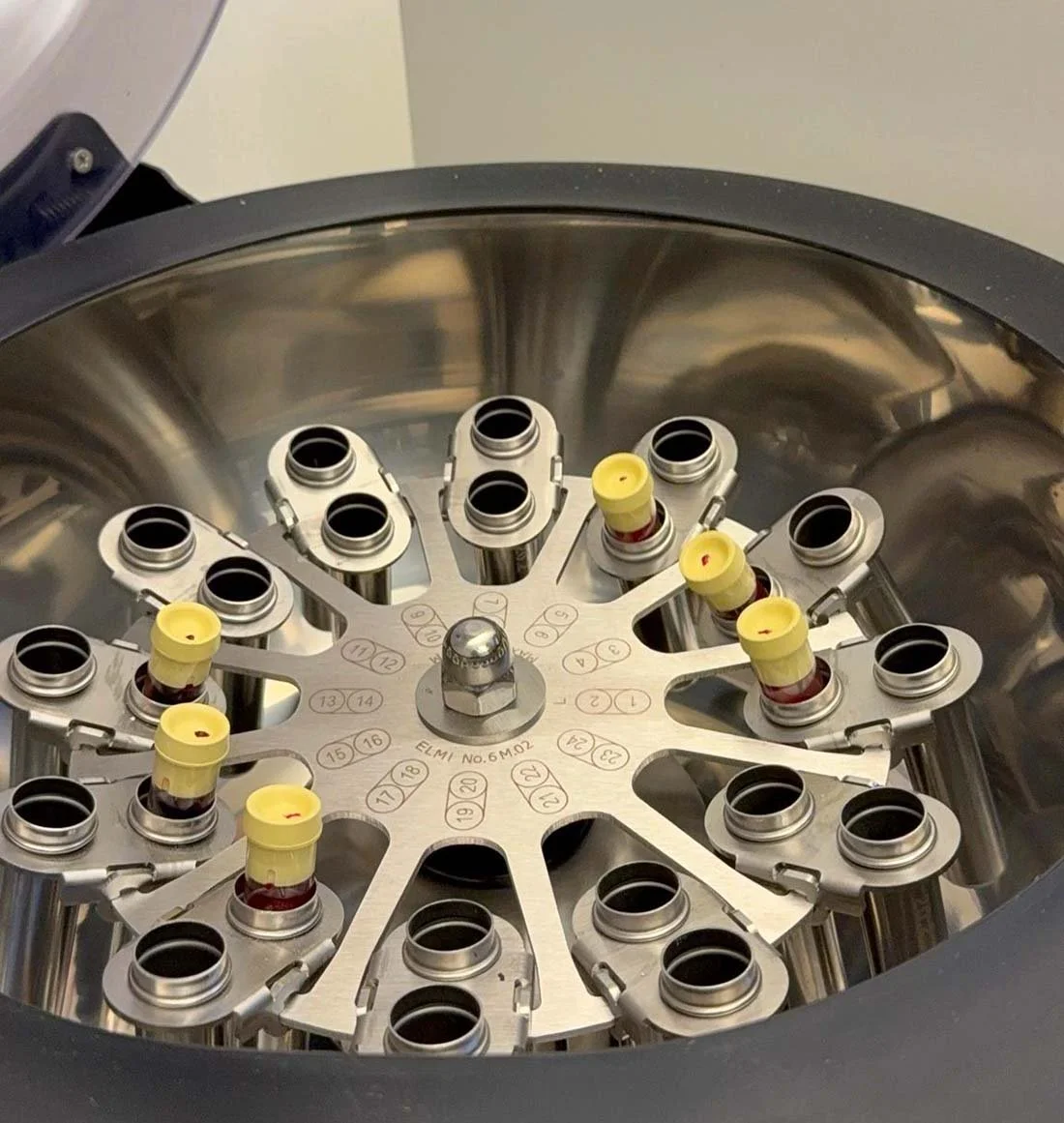
The result of platelet therapy is influenced by many factors. That is why we begin with an extensive blood test to evaluate your general health and healing capacity. Sometimes it is necessary to first go through a preparatory process to optimize your overall health before working with your blood.
Certain areas naturally have less blood supply and may require additional stimulation. For this, we have additional devices that can stimulate the area both before and after treatment. We also adjust the dosage based on biological age and the severity of the condition.
If we suspect that platelets alone will not have sufficient effect, we may propose treatment with stem cell–rich tissue. In addition, multiple treatments may sometimes be necessary to achieve results.
Can I expect my pain to disappear completely?
Pain and pain perception are complex mechanisms. This is very individual and will be discussed with you beforehand.
Will I be treated during the first consultation?
After the intake interview, we assess the available options in order to treat you as quickly as possible.
How many treatments will I need?
Often one treatment is sufficient, but sometimes multiple follow-up treatments are required. This depends on several factors, such as the indication, the location of the problem, and your general health.
Is a PRP treatment painful?
Any injection can cause pain, and the high concentration of platelets can be quite stimulating. We offer the option of a mild local anesthetic during the treatment. Afterward, we also provide appropriate pain management, as PRP causes an inflammatory reaction that can be accompanied by swelling and pain.
Is PRP alternative medicine?
PRP is part of conventional medicine, but it is still a relatively young discipline and therefore not yet widely adopted in most clinics. For major joints, it is already offered by most orthopedic specialists as an alternative to cortisone. International guidelines have also been published recommending PRP directly after conservative therapies (physiotherapy, medication, and lifestyle changes) have failed.
Is a PRP treatment safe?
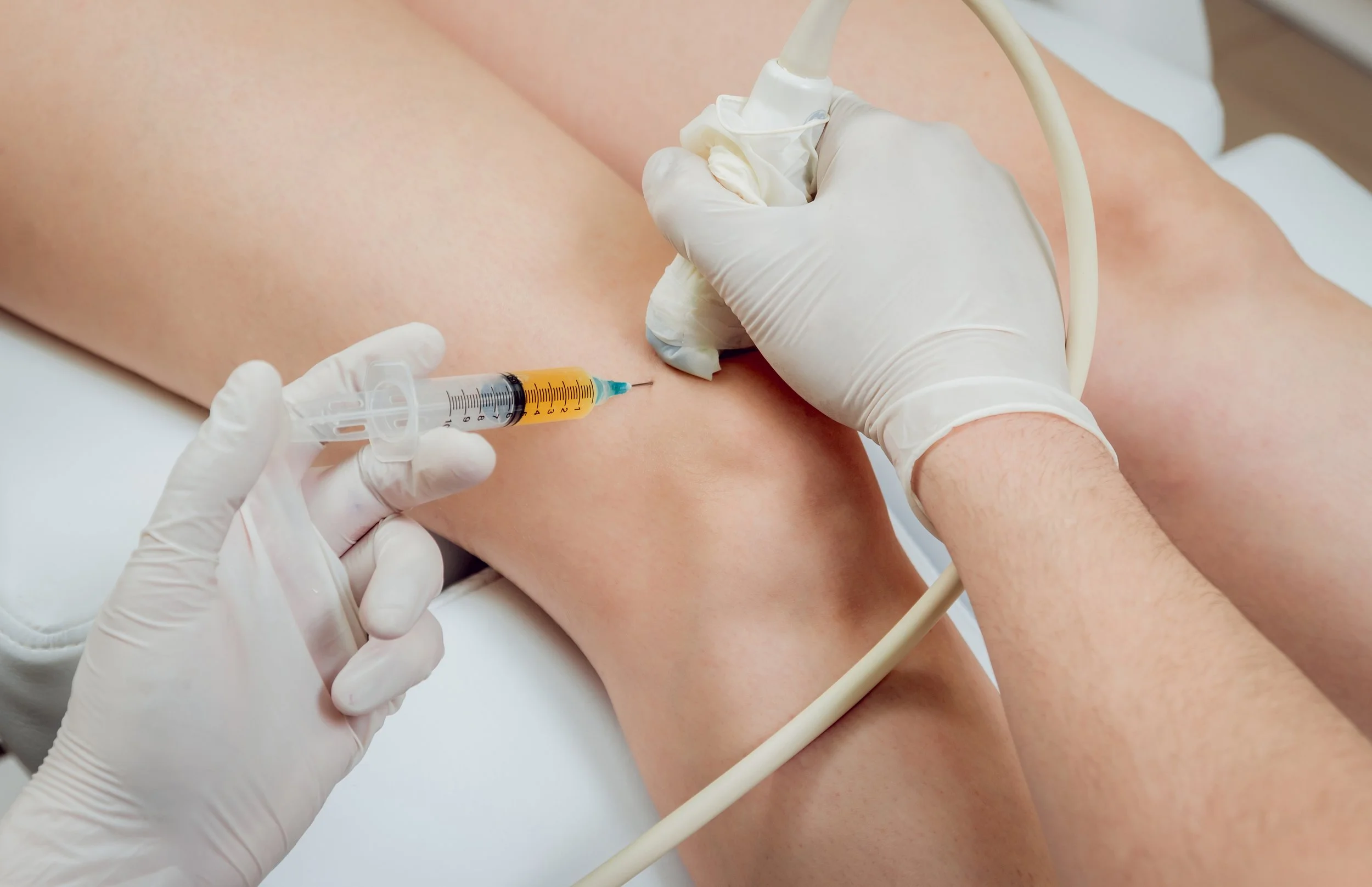
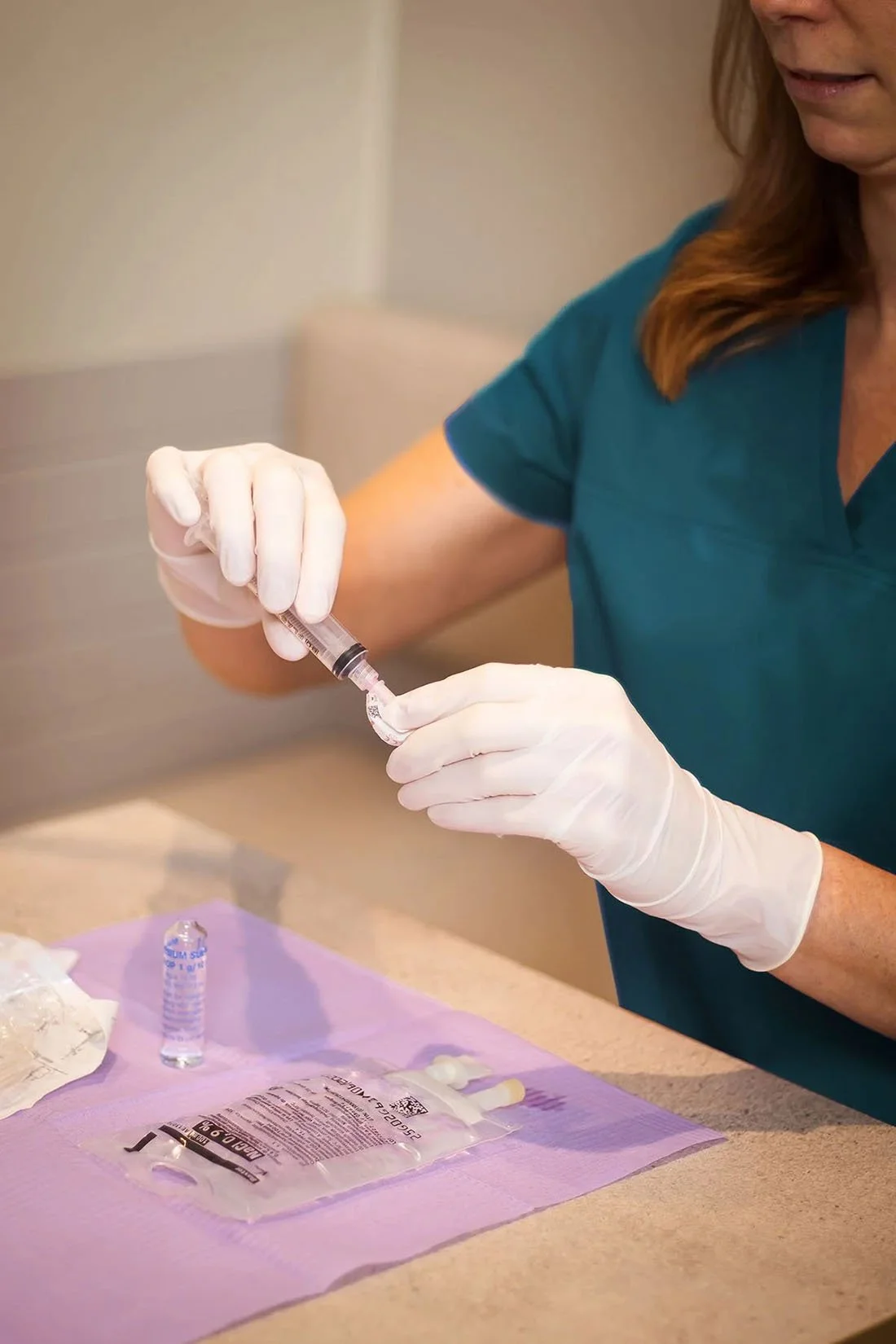
PRP is made from your own blood, meaning nothing is added to it. Therefore, allergic reactions cannot occur. Each injection is performed under ultrasound guidance to ensure it is placed in the correct location while avoiding other structures.
Who is PRP suitable for?
At Relieve, we believe that almost everyone can be a good candidate for PRP treatment, provided that attention is given to preparing the body (the “feeding the soil” principle), the platelet dose is correctly determined (the “dose-response” phenomenon), injections are performed under imaging guidance, and the rehabilitation process is properly followed.